What this selection covers
The list includes three Rolex time-and-calendar layouts, two sports-function directions, four alternative dive or everyday styles, and a formal chronograph layout. They are included because their differences can be explained through visible design and ordinary use. The last entry is a design category, represented by a Patek-labelled archival illustration whose exact reference is not established; no precise Patek model identity is assigned to it.
Use the table to pick a direction, then use the paired choices below to decide between plausible alternatives. Replica construction and fit vary within a design. The decisions here concern what a layout gives you; the chosen watch's movement and measurements are separate parts of the purchase comparison.
| Design category | Representative direction | What you see or use | Trade-off to consider |
|---|---|---|---|
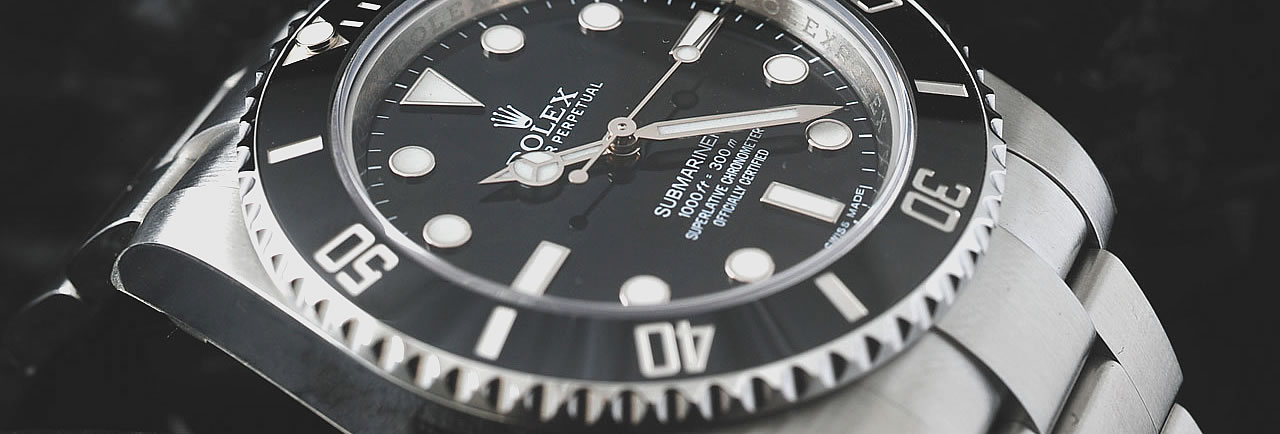
| 1. Time-only dive style | Submariner no-date | A timing bezel surrounding an uninterrupted dial | No calendar to read; choose it if that simplicity is a benefit |
| 2. Everyday date style | Datejust | Date at three, with bezel and bracelet styling choices | The lens and date aperture become part of the face |
| 3. Full-weekday calendar style | Day-Date | A long weekday window plus a separate date | Language and readable lettering add another selection decision |
| 4. Second-zone sports style | GMT-Master II | A 24-hour indication and graduated bezel | The useful setting arrangement matters more than the extra hand's colour |
| 5. Three-register sports chronograph | Daytona | A tachymeter surround and several elapsed-time indications | More dial information and functions to understand |
| 6. Patterned-dial dive style | Diver 300M wave-dial direction | Waves and skeleton hands with a dive bezel | A more textured face than a plain-dial sports design |
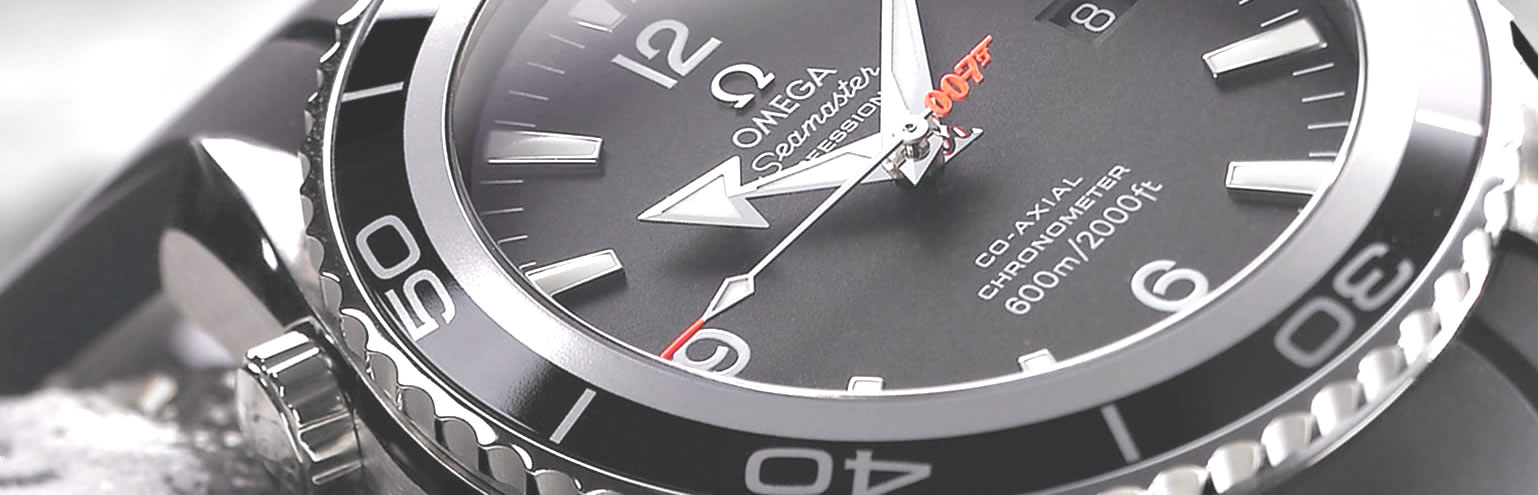
| 7. Numeral-led dive style | Planet Ocean | Prominent numerals and a dive-watch surround | The older and newer design faces must be chosen separately |
| 8. Bezel-free everyday sports style | Aqua Terra black-teak direction | A date display and linear dial texture without an external timing scale | A quieter surround gives up that external timing reference |
| 9. Heritage dive style | Burgundy-bezel Black Bay direction | Vintage-inspired hands, markers and bezel colour | Choose this complete styling rather than assuming every Black Bay is identical |
| 10. Two-register dress chronograph | Formal strap-and-subdial design; archived Patek-labelled illustration | Two prominent subdials within a more formal composition | The number of subdials does not specify their working functions |
What each direction helps you choose
1. Time-only dive style: Submariner no-date
Choose this when the dial's uninterrupted hour-marker arrangement is part of the appeal. A rotating elapsed-minute bezel can add a visible timing reference without adding a calendar aperture. If you regularly consult the date, compare the Date version instead of expecting a no-date watch to solve that task. The Submariner guide explains the generation and calendar differences.
2. Everyday date style: Datejust
Choose the bezel and bracelet independently. A smooth surround and broader link pattern can produce a quieter overall appearance; fluting and finer links can make reflections a larger part of it. A readable date is the practical center of this direction. Use the Datejust size and configuration comparison before deciding that a larger case is necessarily easier to wear.
3. Full-weekday calendar style: Day-Date
The weekday window earns its space if you like seeing the full word rather than only a date number. Select the language before finalizing dial colour. If the weekday adds little to your routine, a Datejust retains the date with a simpler calendar layout. The Day-Date guide includes a complete seven-day display check.
4. Second-zone sports style: GMT-Master II
Choose this for simultaneous local and reference time, with a 24-hour hand read against a 24-hour scale. The key difference between candidates is how the local-hour and 24-hour indications adjust. That determines whether changing local time is convenient for your routine. See the GMT function comparison alongside the worked example below.
5. Three-register sports chronograph: Daytona
Choose this direction if you want the sports chronograph composition and will use elapsed-time functions. Identify which indication runs continuously and which ones start with the chronograph. A stopped central elapsed-seconds hand can be normal while ordinary seconds continue elsewhere. Use the chronograph observation sequence to connect each claimed function to the actual candidate.
6. Patterned-dial dive style: Diver 300M
The familiar wave-and-skeleton-hand direction offers a different dial texture from a plain Submariner face. In the specific blue 210.30.42.20.03.001 design, a date at six leaves the sides of the dial visually balanced. This is one reference, rather than the definition of every Diver 300M. The four-way Seamaster table identifies the example precisely.
7. Numeral-led dive style: Planet Ocean
Choose the numeral treatment you actually prefer. The older 007-branded image retained on this site and the fourth-generation example in the Omega guide show different faces, so the name alone is insufficient. The bounded generation comparison provides the visible differences rather than asking you to guess an age from the photograph.
8. Bezel-free everyday sports style: Aqua Terra
Choose this direction when the dial and bracelet should lead the design without an external timing bezel. The black-teak example provides straight dial lines and a date at six, a useful contrast to Datejust's date-at-three arrangement. Decide which face you prefer before comparing the particular Aqua Terra configuration with a diver.
9. Heritage dive style: burgundy-bezel Black Bay
This is a styling alternative, especially when warm colour and heritage references appeal more than a contemporary blue wave dial. The comparison concerns the burgundy dive-style direction, rather than every GMT, chronograph or other watch carrying the Black Bay family name. Compare its hand, marker and bezel combination as a whole. Carry the chosen configuration into the inspection checklist.
10. Two-register dress chronograph
Choose this composition if two prominent subdials and a strap suit your clothing better than a sports chronograph's outer scale and three-register face. The retained Patek-labelled advertisement is an illustration of this direction, with its exact model unresolved. Its split-seconds wording does not establish that mechanism. The useful comparison is the face you want and the elapsed-time functions actually provided.
Four paired choices with usable outcomes
The examples below assume that the candidate watches fit and that the described essential functions are demonstrated. They are design-choice examples, not reports of watches tested by Watchfora. A different actual mechanism or case dimension can change the final candidate choice.
Submariner versus Diver 300M: a plain face or a patterned one?
For a date-equipped comparison, use a Submariner Date design and the named blue Diver configuration. Both directions combine a sports bezel with a calendar. The visible distinction is where and how the date enters the face: the Submariner Date direction places a magnified date at three, while the blue Diver example places it at six. Plain-dial styling versus waves and skeleton hands changes the visual texture as well.
Example outcome: a reader wants a date but dislikes a magnifier and prefers a centered calendar. The illustrated Diver direction is the closer design match. Another reader prefers a plain dial and finds the magnified date easier to use; the Submariner Date direction is closer. Neither result establishes a quality or water-resistance winner. If the reader wants no date at all, compare the no-date Submariner with a specifically identified no-date alternative, rather than pretending the two date layouts answer that preference.
Datejust versus Aqua Terra: where should the date and reflections sit?
A Datejust with a fluted bezel and a Jubilee-style bracelet places more visual texture around the face and through the links. The black-teak Aqua Terra example puts linear texture on the dial, with a plain surround and the date below the hands. A smooth-bezel Datejust can narrow the difference, so bezel and bracelet should be named in the comparison.
Example outcome: the reader wants the weekday omitted, the date below the center and no magnifier. The illustrated Aqua Terra is the closer layout. If the reader instead wants a compact Datejust-style case with a reflective fluted surround, the Datejust direction addresses that preference. A statement that either family is always thinner or more comfortable would need different evidence; those outcomes do not follow from the face alone.
GMT versus ordinary time: is a second zone part of the task?
For a fixed-offset example, assume home remains UTC and local time is UTC+8, with no daylight-saving change. When the local display reads 18:30, a home-time 24-hour hand should indicate 10:30 on its scale. Those simultaneous readings are the useful result. An ordinary three-hand watch can show either time after resetting, but cannot display both that way at once.
Example outcome: a reader calling home every evening benefits from a working second-zone display. For frequent travel, an independently adjustable local-hour hand can simplify changing the local display while retaining home time. A reader who only needs local time may prefer an ordinary date watch's cleaner face. A hand tied to another indication can look like GMT without providing the adjustment routine expected, which is why the independent-adjustment check belongs in this comparison.
Sports chronograph versus two-register dress layout: what must be timed?
The three-register sports direction and two-register dress direction can differ visibly even before their mechanisms are identified. Register count is not a complete function list: one subdial may be ordinary running seconds, another elapsed minutes, and an hours recorder may or may not be present. Assign each one a role before deciding.
Example outcome: for a twenty-minute meeting, a working elapsed-seconds and elapsed-minutes display answers the timing task; an hours recorder is not essential to that example. The reader can then choose the sports or dress face on appearance. For a two-hour event, a clear way to track the elapsed hours becomes part of the requirement. If one candidate only demonstrates minute accumulation, it has not yet answered that second task.
A split-seconds function is a further, separate requirement: one elapsed-seconds indication can be held at an intermediate reading while the other continues, then reunited. A printed claim or two subdials does not establish that behavior. Readers who need it should identify that exact complication rather than using the dress-style category as shorthand for it.
Finish with one preferred direction and two comparable candidates
A useful conclusion can be one sentence: “I want a date at six, a plain surround and no second-zone function.” That points toward the illustrated Aqua Terra direction and away from several others before maker or grade claims distract from the task. Another reader's sentence may favor a no-date dive face or a functioning GMT instead.
| Field | Example entry | How it affects the decision |
|---|---|---|
| Essential display | Date at six; no weekday required | Excludes layouts that do not serve the intended reading task |
| Preferred visual combination | Linear dial texture, plain surround, bracelet | Names a complete face rather than isolated details from different designs |
| Candidate-specific fit and mechanism | Actual case measurements, bracelet range and identified movement/functions | Determines which example within the chosen direction is suitable |
Use the movement-label guide for the final candidate's mechanism and the inspection record to preserve the agreed configuration. If you are still between the three calendar-led Rolex designs, the Rolex overview offers their direct comparison.
Reference documents and comparison scope
- Rolex, GMT-Master II family description and user guide, consulted 15 October 2026: genuine second-zone display and adjustment context.
- Rolex, Cosmograph Daytona family description, consulted 15 October 2026: sports-chronograph design context. Candidate functions still need their own identification.
- Rolex, Submariner, Datejust and Day-Date model/family descriptions, consulted 15 October 2026: date/no-date, calendar and bracelet design references used in the model guides.
- OMEGA, Diver 300M 210.30.42.20.03.001 and Aqua Terra 220.10.41.21.01.001 product descriptions, consulted 15 October 2026: the particular layouts compared here. Additional reference-level distinctions appear in the Seamaster guide.
- OMEGA Press Room, OMEGA Seamaster Planet Ocean, 18 November 2025, and OMEGA Launches New Range of Seamaster Diver 300M Watches, 21 November 2024: generation and variant context.
- TUDOR, Discover the iconic TUDOR Black Bay watches, consulted 15 October 2026: burgundy heritage design context, not a definition of every Black Bay.
- Patek Philippe, Chronograph Watches, consulted 15 October 2026: complication terminology. It is not an identification of the model in the retained advertisement.
The paired outcomes are editorial reasoning from the stated preferences and layouts. They are not price, durability or measured-performance comparisons.